
— Article
Shanghai Diaries: 5 Days in the Future – A Wake-Up Call for Europe?
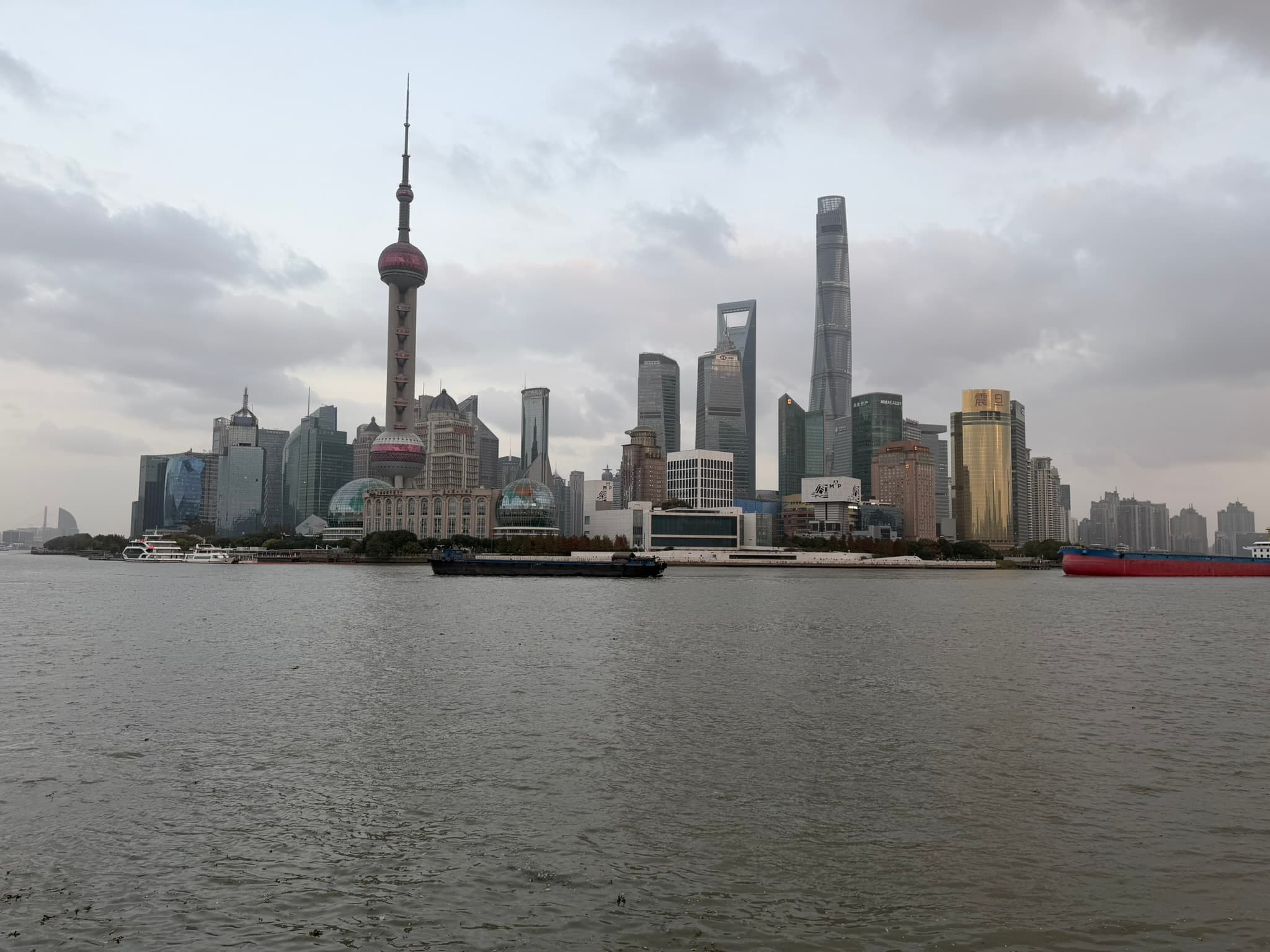
Last week, my business travels took me back to Shanghai for a trade show and supplier visits. It had been a while, and while I expected progress, I wasn’t prepared for the magnitude of the shift. After five days in this electric metropolis, I returned with a mix of awe, concern for the European economy, and some fascinating insights.
Here are my key takeaways from 120 hours in Shanghai.
1. The German Auto Industry is in Trouble
If you walk the streets of Shanghai, you get the sinking feeling that the German automotive dominance is a thing of the past. The roads are dominated by domestic brands Europeans have barely heard of—Li Auto, Xiaomi, Huawei, BYD. These cars feel like they were shipped from five years in the future. We are talking about vehicles with 500+ hp, massive touchscreens, and every feature imaginable, all priced equivalent to a small mid-class car in Germany. While we debate "Technologieoffenheit" (technology openness), Shanghai has moved on. ICE cars are viewed as museum pieces; the future here is undeniably electric.
2. Autonomous Driving is Already Here
This was perhaps the most mind-blowing experience: I tried Pony AI, a fully driverless taxi service. It wasn't a test track demo; it was a real service on real roads. The car drove perfectly—safe, stable, and smooth. I had absolutely no concerns about safety while sitting in it. To top it off, it was incredibly cheap. It begs the question: Where are these self-driving vehicles in Europe? While we are still running pilot projects in closed environments, the future is already on the streets in China.
3. The "Survival Cost" Paradox
Shanghai is known as a city of expensive luxury malls and high-end living.However, the basic cost of "survival"—transport, food, and shelter—is incredibly low compared to the EU or US.
Hotels: I stayed in a fantastic studio apartment with a great breakfast buffet. The cost? €240 for four days. In Europe, that buys you one night.
Food: Culinary experiences are endless. I mostly stuck to small street restaurants, eating full, delicious meals for €2 to €8.
Transport: The Shanghai Metro is world-class. No zones, no complex tickets. You just scan your Alipay or WeChat QR code. A trip across the city costs between €0.20 and €0.70.
4. Service Level: Next Generation
When I wasn't on the Metro or in a driverless cab, I used Didi (the Chinese Uber). A 30-minute ride across the city cost me about €5. But it wasn't just cheap; it was premium. The cars are spotless, and drivers in suits and white gloves treat you like a celebrity.
Even the high-speed rail network is mind-bending. With 10,000 trains running daily with AI-managed punctuality, you can get anywhere at 250-300km/h effortlessly. The highlight? You can scan a QR code on your seat, order KFC or McDonald's, and have it delivered to your seat at the next station.
5. The Digital & Cashless Reality
Leave your cash at home. Seriously. Everything is paid via Alipay or WeChat. From street food to customs declarations, if you don't have a smartphone, you effectively don't exist in the economic system here. It is seamless, fast, and completely dominant.
6. The Hard Truth About Work Ethic
This is where the contrast with Europe hurts the most. While we discuss the 35-hour workweek and work-life balance, the hustle in China is palpable. The "996" culture (9 am to 9 pm, 6 days a week) has softened slightly, but 50-60 hour weeks are still the norm. When I mentioned our working hours and 30 days of vacation to local partners, they didn't get jealous. They actually expressed pity for the EU economy, seeing our declining output as a direct result of our comfort.
7. Safety vs. Freedom
With surveillance cameras everywhere, crime is virtually non-existent. You feel 100% safe walking any street at any time. There are no drunk crowds harassing you at stations—a stark contrast to a late evening at Munich Central Station. However, this safety comes at the cost of privacy and freedom of speech. While the government takes excellent care of its people’s basic needs, political expression is strictly capped.
Conclusion
Would I want to live there? Probably not. I value our Western European culture and freedom of speech too highly. However, strictly looking at technology, infrastructure, and efficiency, China is 5-10 years ahead of us. It was an amazing trip, but it served as a serious reality check for where Europe stands in the global race.
Ready to put this into practice?
Get our free China sourcing whitepaper or book a free consultation — no strings attached.